Under Dr. Sara Nelson’s leadership, Iowa’s aerospace workforce is soaring to new heights
Since the dawn of the space race, Iowans have played an important role in America’s quest for cosmic dominance. Apollo 7’s Walter Cunningham comes to mind, as does Peggy Whitson, who holds America’s record for total days spent in space. Even “Star Trek’s” legendary (albeit fictional) Captain James T. Kirk calls Iowa home. But every legendary astronaut or well-respected aerospace thought leader has someone in their past who was instrumental in helping them believe in dreams that could reach infinity and beyond.

Chances are Iowa’s next great spacefarer will credit Dr. Sara Nelson as an early inspiration. Dr. Nelson relocated to Iowa in the mid-1990s and has spent her entire career putting her love of science and learning to work – first as an elementary teacher, then as an educational consultant before landing with Iowa State University (ISU) in 2009. There, she continued her commitment to STEM education as part of ISU’s Department of Aerospace Engineering.
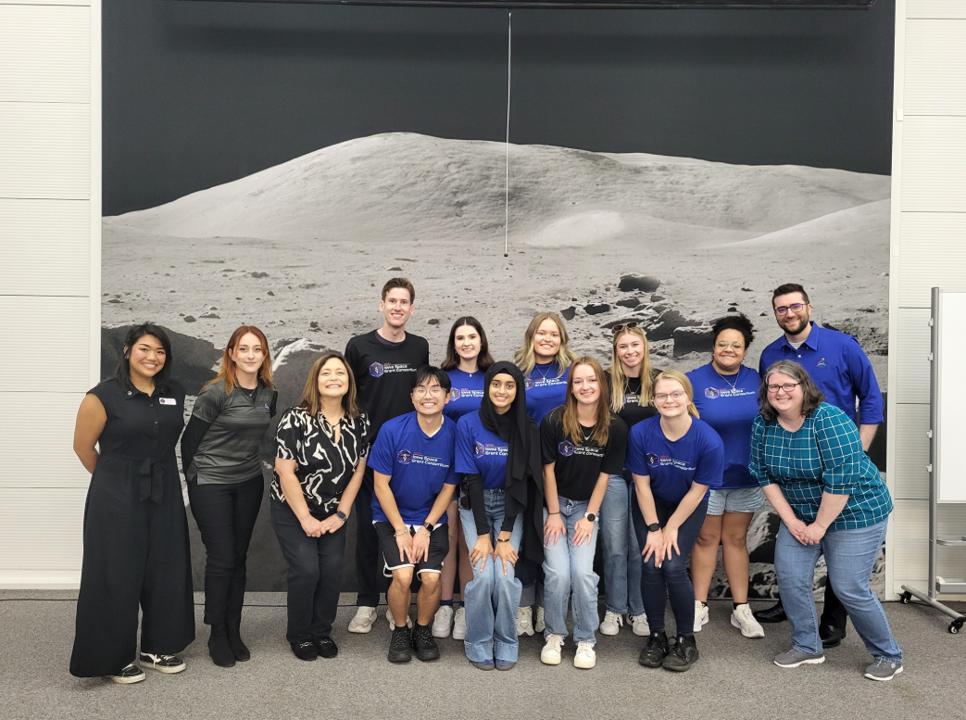
Dr. Nelson’s voyage culminated in her current dual roles as director of the Iowa Space Grant Consortium (ISGC) and Iowa NASA EPSCoR (Established Program to Stimulate Competitive Research) – two initiatives that are vital in building Iowa’s pipeline of aerospace engineers and space explorers.
“At its core, [Iowa Space Grant Consortium] is a workforce development program,” Dr. Nelson said. “Working in different educational environments helped me better understand the pathway a student takes from pre-K to career, so applying those learnings has helped us refine how we put students in the best position to build a foundation for a career in aviation or aerospace.”
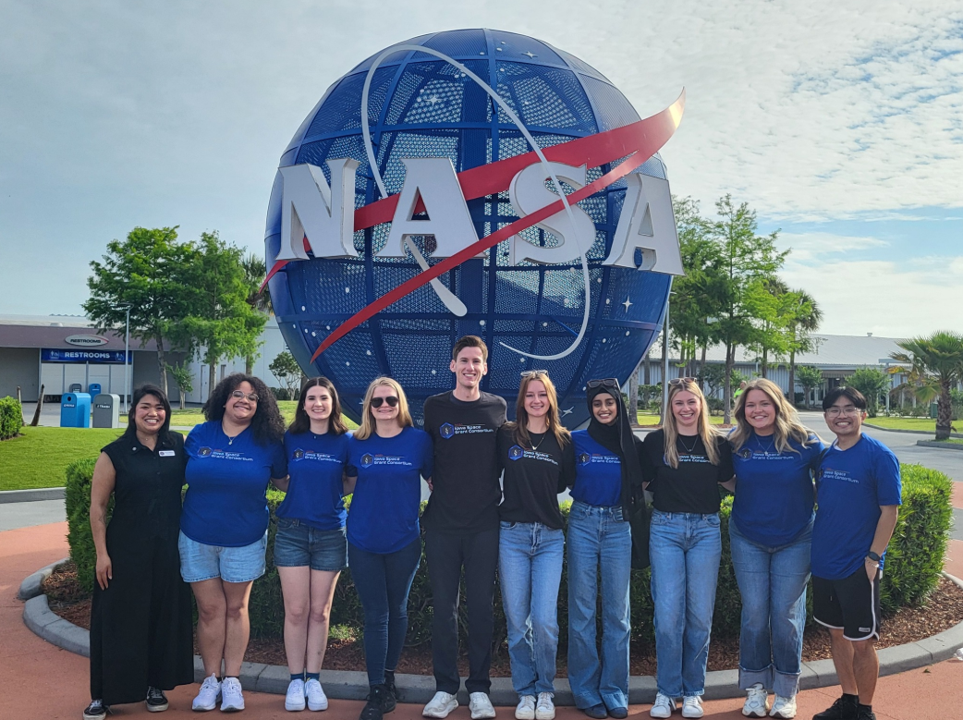
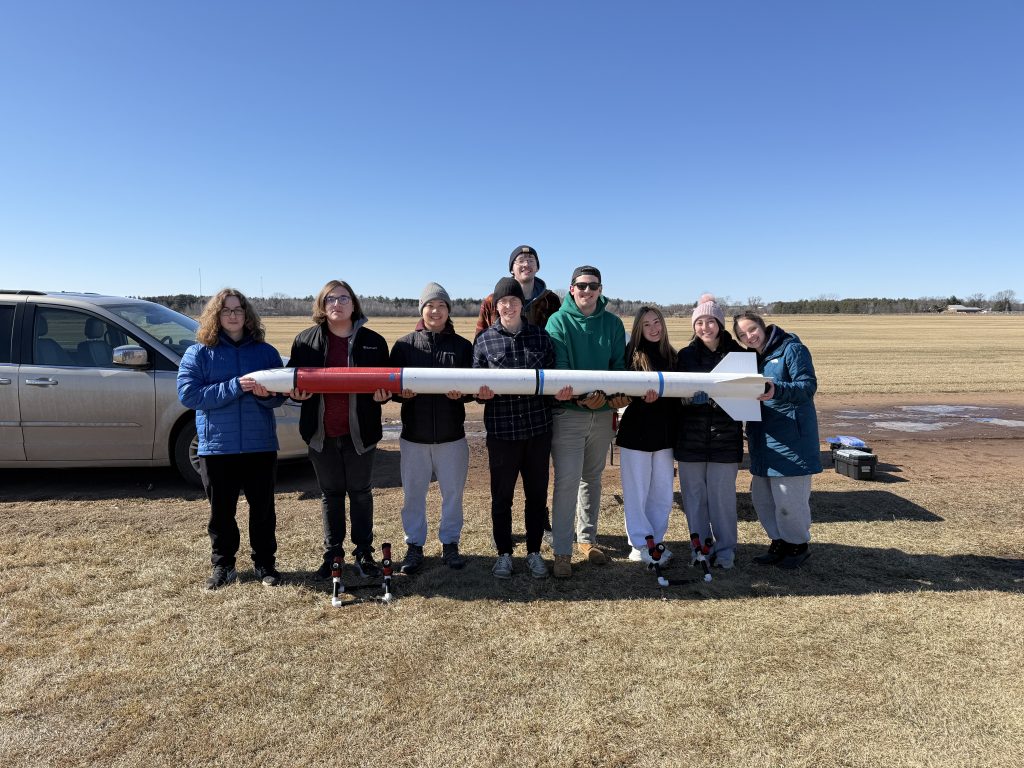
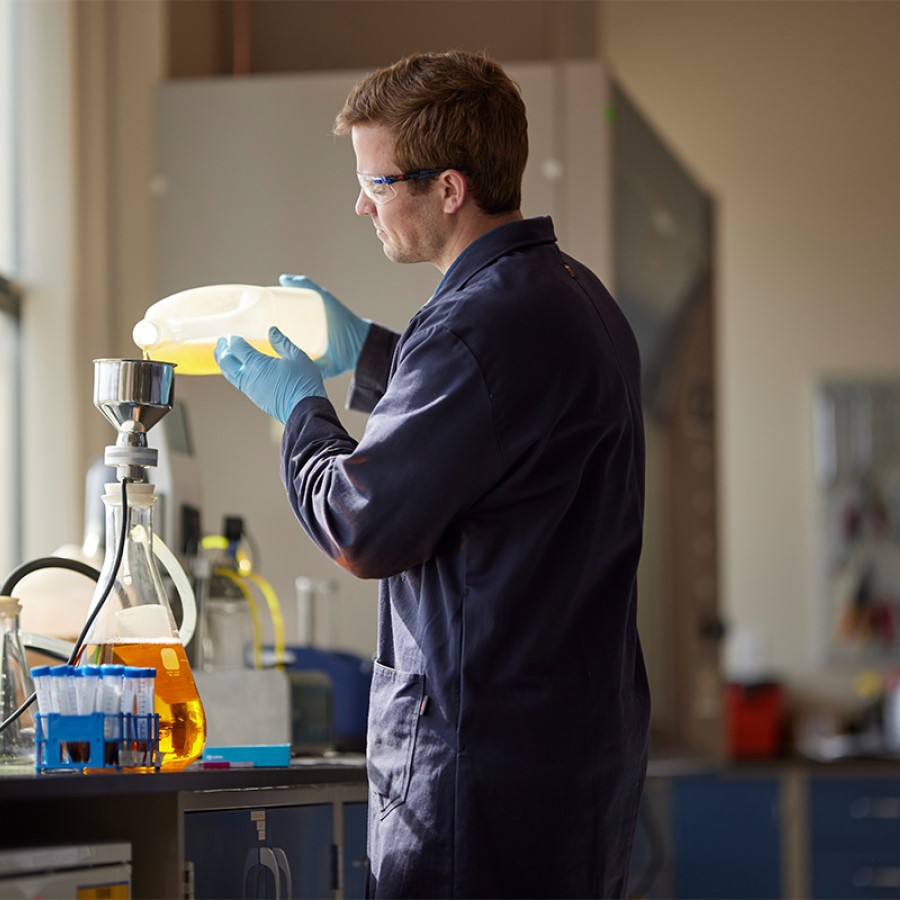
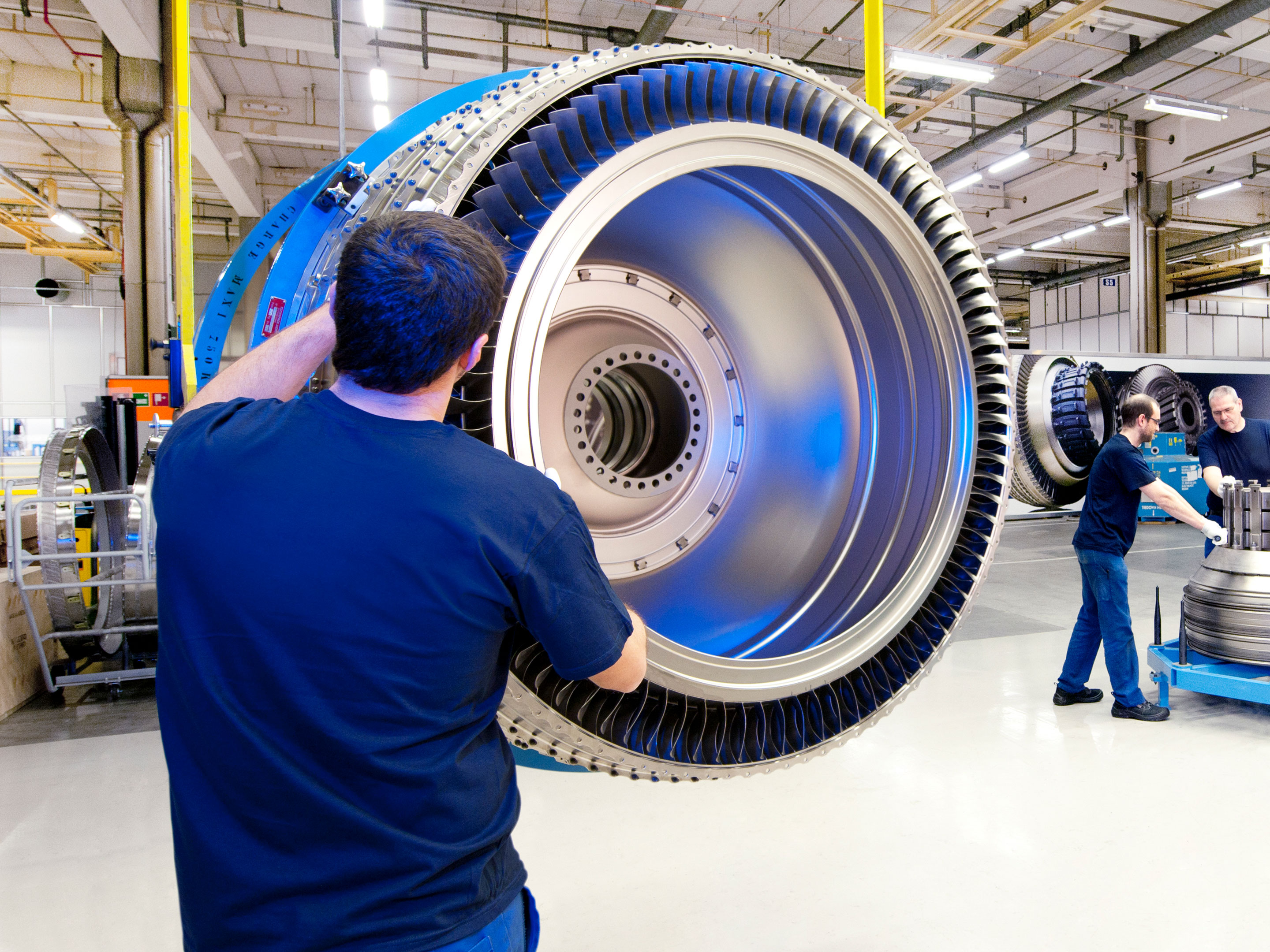
ISGC is tasked with supporting research, funding scholarships and securing internships that align with NASA’s mission – all of which prepare Iowa’s aerospace and defense workforce for what’s next. But the consortium is also a perfect example of the collaborative spirit you’ll find across all of Iowa’s key industries. The University of Iowa, for example, is a proud member of the consortium, illustrating how a commitment to scientific discovery and innovation can transcend traditional institutional rivalries.Similarly, industry competitors BAE Systems and Collins Aerospace both partner and collaborate with the consortium to ensure graduates have “the right stuff” to thrive in a competitive industry.
“When you join the consortium, in some ways it’s just about being a part of a community,” Dr. Nelson said. “But our office also helps [industrial partners] find students for their internships, and we connect businesses with NASA and other partners as well, so there are multiple layers of collaboration that benefit all involved.”
While ISGC takes the helm on the workforce development front, Iowa NASA EPSCoR ensures the state continues to push the boundaries of aerospace engineering through research-focused partnerships between Iowa’s universities, state and federal governments and major aerospace industry players.
“At EPSCoR, we’re really focused on enhancing Iowa’s research and workforce development infrastructure,” Dr. Nelson said. “The program is open to anybody and it’s a great way for us to bridge the gap between research and industry. [Researchers] can secure seed funding through [EPSCoR], and we’ve seen multiple instances of their findings having real-world applications for business.”
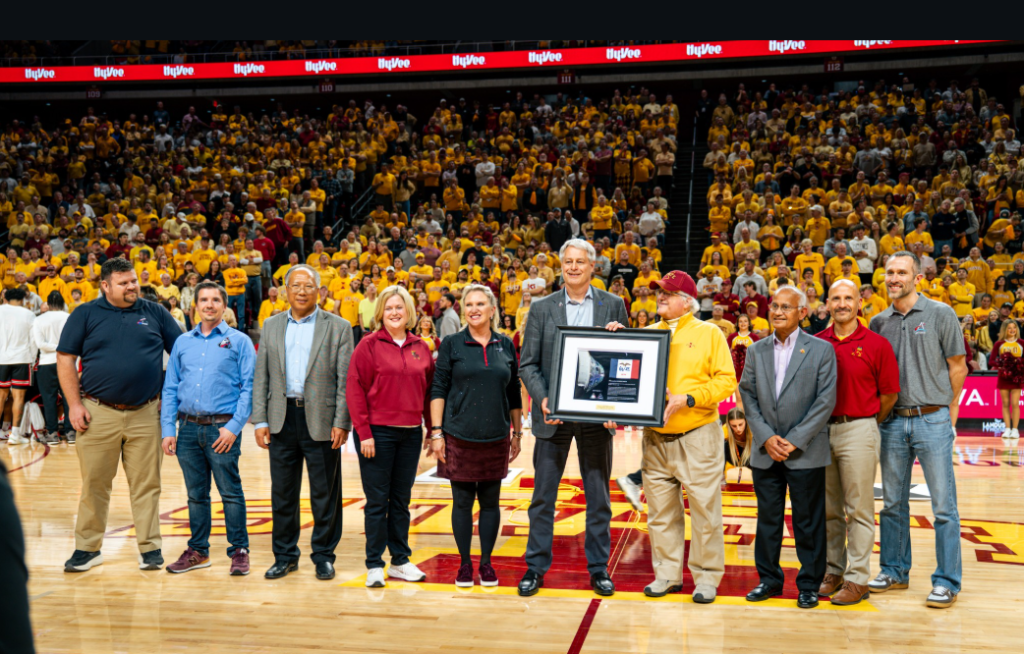
A belief in Dr. Nelson’s long-term vision for Iowa’s place in the stars, combined with the abundant land and growth-oriented incentives offered by the state, are good enough reasons for any aerospace or defense company to give Iowa a closer look. But the talent mentorship provided by Dr. Nelson and many others across the state are what truly sets Iowa apart, and that guidance shows up in a workforce she’s had a personal hand in cultivating.
“I don’t know that you’re going to find a better workforce anywhere else,” Dr. Nelson said. “They’re well-trained and ready for many different roles of the future.”
Under Dr. Nelson’s leadership, ISGC and Iowa EPSCoR have become indispensable in moving new discoveries – and new talent – from the lab to the global marketplace. And thanks to each program’s track record of innovation and collaboration, exciting new opportunities are on the horizon that promise to elevate Iowa’s aerospace industry – and the people behind it – to even greater heights.
“We have an amazing workforce and amazing training opportunities for people interested in the industry,” Dr. Nelson said. “Ultimately, I want Iowa to become NASA’s center in the Midwest, but that’s only going to come through really intense collaboration with our partners across the state and continued investment in building our talent pipeline.”